
How to get rid of ants (Australian guide, 2026)
If you've been spraying for months and there are now more ants than when you started, you're probably making a coastal brown super-colony angry. Here's how to actually get rid of ants: the science, the species ID, the non-obvious "stop spraying" rule, and when DIY is enough versus when you need a pro.
Published 1 May 2026 · Reading time 10 minutes · By Dane Johns, WA Pest Management Technician Licence 13914
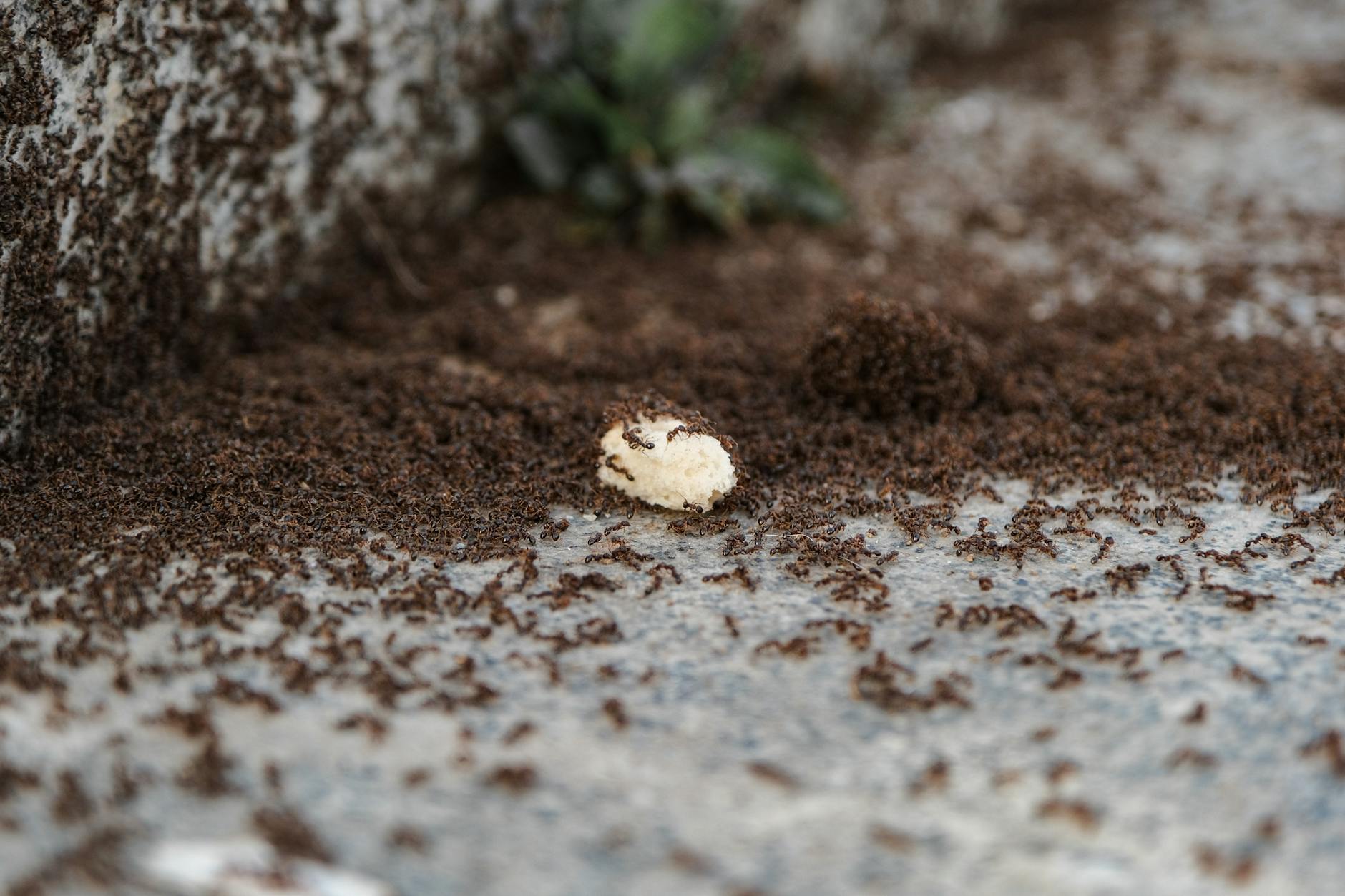
The thing nobody tells you: spraying often makes ants worse.
Australian homes, particularly anywhere in Perth's beachside suburbs, deal with a species called the coastal brown ant (Pheidole megacephala). It is not your average ant. It forms super-colonies: networks of linked nests that share queens, workers and resources across hundreds of metres. Multiple queens. Multiple nest sites. No inter-nest aggression.
When you hit a super-colony with a repellent spray (almost everything on the hardware shelf is bifenthrin- or permethrin-based), the colony detects the threat and does something called budding. It splits. What was one nest under your patio becomes seven satellite nests scattered across your property within weeks. You then spray those, and they split again. This is why your ant problem keeps getting bigger no matter how much you spray.
If you've sprayed and there are more ants now than there were before, you've probably got a coastal brown super-colony, and the spray is the cause.
The fix isn't more chemistry. It's different chemistry: a class of insecticides called non-repellent transfer baits. The active ingredient (typically fipronil for outdoor liquids and granular baits, hydramethylnon or indoxacarb for indoor gels) is undetectable to ants. They walk through it, carry it back to the colony and feed it to nest-mates and queens. The whole network collapses, not just the workers you can see. This is exactly how our ant treatment is built.
Step one: identify the ant species.
Coastal brown ant (Pheidole megacephala)
Small (1.5–2.5 mm), light brown, fast-moving, in trails of dozens to hundreds. Beachside Perth heavy: Hillarys, Sorrento, Mullaloo, Ocean Reef, Kallaroo. Comes inside via paving cracks, lawn margins, garden bed edges. Super-colony forming. Don't spray. Use non-repellent baits along trails.
White-footed house ant (Technomyrmex spp.)
Small (2.5–3 mm), dark brown to black, with pale tarsi (feet). Indoor pest: bathrooms and kitchens, attracted to moisture. Sweet liquid baits or gel placed near plumbing entries.
Sugar ant (Camponotus consobrinus)
Large (5–15 mm), slow-moving, two-toned (black thorax, lighter gaster), nocturnal. Mostly outdoor, sometimes wanders inside. Sweet-tooth, so sweet liquid baits work well.
Argentine ant (Linepithema humile)
Small (2–3 mm), uniformly light brown, super-colony forming like coastal brown but more aggressive towards other ant species. Restricted Perth distribution but expanding. Treatment same as coastal brown.
Bull ant (Myrmecia spp.)
Large (10–25 mm), aggressive, painful sting, isolated nests in bushland-adjacent properties. Single nest treatment with a directed liquid product. Not really a "trail" species; they're solitary hunters.
Step two: the right bait for the species.
Stop ringing pest controllers and asking "do you have anything stronger than what I bought at the hardware store?". The issue isn't strength, it's chemistry class. There are three things you want from an ant bait:
- Non-repellent active ingredient: fipronil, hydramethylnon or indoxacarb. Workers shouldn't be able to detect they're walking on it.
- Slow-acting: a worker that drops dead 30 seconds after picking up bait can't carry it back to the colony. Modern transfer baits take hours to kill, giving the worker time to share with nest-mates.
- Right food matrix for the species: sweet-tooth species (sugar ant) ignore protein baits and vice versa. Coastal brown will take both depending on colony stage.
Retail gel baits based on indoxacarb or hydramethylnon work for coastal brown ants indoors. The fipronil liquids that collapse a super-colony outdoors are professional products applied to a label by a licensed technician. Avoid anything labelled "kill-on-contact" or "fast knockdown"; that's repellent chemistry that splits colonies.
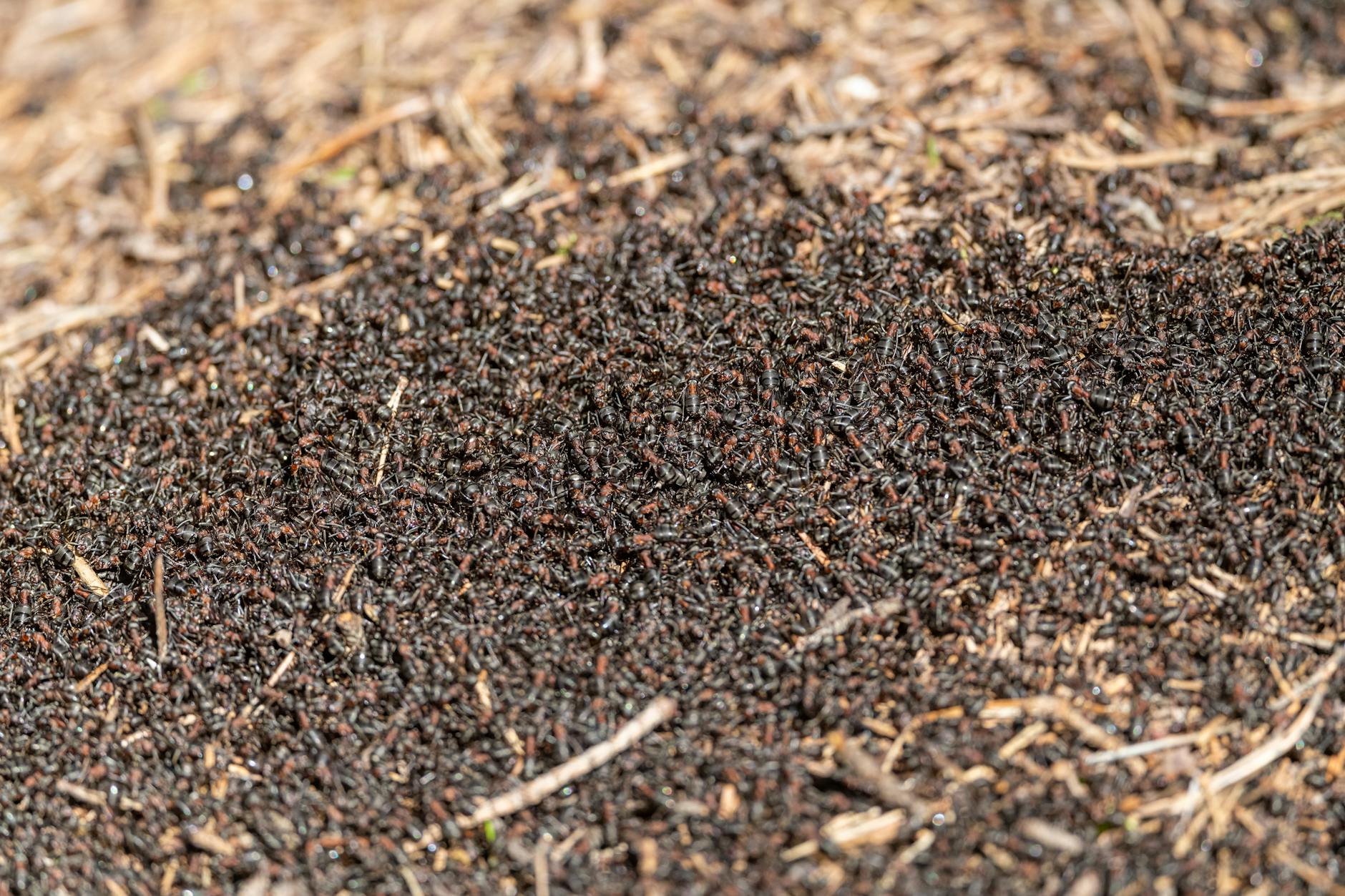
Step three: place the bait correctly.
Bait placement is at least as important as bait choice. Common mistakes:
- Don't break the trail. Place gel next to active trails, not across them. Ants will walk around any disturbance.
- Don't combine with spray. Spraying repellent product over or near non-repellent bait makes the bait detectable. Pick one approach, stick to it for at least four weeks.
- Place at the entry point and deep inside. Inside: under the dishwasher, behind the fridge, in cabinet kickboards. Outside: along paving lines, garden bed edges, lawn margins, wherever you see continuous trails.
- Replenish weekly until activity drops. Ants consume gel quickly when active; a 5 g tube might last four days at peak. Don't ration the bait.
Step four: expect activity to spike for a week.
This is the bit that sends people back to the spray can. After bait placement, you'll see more ants for 3–7 days, not fewer. They're recruiting nest-mates to the food source. They're carrying it back to the colony. This is the bait working. Trail counts then drop sharply by week two. Full super-colony collapse takes 4–6 weeks.
If you spray at the activity spike, you've reset the whole thing. You've killed the workers carrying bait back to the queens, you've contaminated the bait sites with repellent residue, and the colony splits to escape. Resist.
What doesn't work (don't bother).
- Boiling water on the nest. For coastal brown super-colonies there is no "the nest"; there are dozens, linked. Boiling water kills a few workers and a tiny fraction of brood at one spot. Adjacent nests carry on.
- Vinegar or lemon juice. Disrupts the pheromone trail temporarily. Doesn't affect colony health. Activity returns within hours.
- Baby powder, chalk, cinnamon, peppermint oil. Same: temporary trail disruption, no colony effect.
- "Kill on contact" sprays. Splits super-colonies. Documented as actively counterproductive for Pheidole species.
- Diatomaceous earth. Works on some species (it's a desiccant that damages the exoskeleton), but coastal brown ants will route around it. Useful supplementary tool, not a primary solution.
When DIY is fine vs when you need a pro.
DIY is fine when:
- You've correctly ID'd a single small colony (sugar ants, white-footed house ants, a single bull ant nest).
- You're using non-repellent bait, you've placed it correctly, and you can wait 2–4 weeks.
- The ants are confined to one room or one external area.
Call a licensed pest controller when:
- You suspect a coastal brown super-colony covering large parts of your property. These need a coordinated fipronil treatment along every trail and nest entry to collapse properly.
- You've baited correctly for four weeks and activity hasn't dropped (that means re-invasion from a neighbouring property, and an annual professional treatment is the realistic answer).
- Bull ants near a play area or outdoor entertaining zone. Directed treatment is faster than DIY.
- You're in a commercial premises and ant activity is a food-safety risk.
A typical Perth external ant treatment with a licensed technician runs $250–$400 for a standard property, uses fipronil outdoors and gel indoors where needed, and carries a three-month re-treatment period. Every figure is on the pricing guide.
Common Perth-specific questions.
Why are coastal brown ants so common in Perth?
Sandy soil (great for nest-building), mild climate (year-round breeding), and Pheidole megacephala's general invasive success. Beachside suburbs are particularly heavy because the species thrives in the lawn-paving-garden interface that Perth landscapes favour. It's basically the perfect environment for them.
Will I ever fully be rid of them?
Honest answer: probably not for good. A good treatment plus sealing entry points plus good hygiene gets you 6–12 months clear. Re-invasion from neighbouring properties is realistic in chronic-pressure beachside zones. An annual treatment is the maintenance approach most Perth homes settle into.
Are baits a risk to my dog?
Every product is applied at its label rate and the label sets the placement. Bait stations are tamper-resistant. Indoor gels go inside cabinetry where dogs can't reach, and pets stay out of treated areas until the re-entry period has passed. We brief on placements as part of any professional job.
What about ants in my plants and lawn?
Ants in lawns are usually doing more good than harm: they aerate soil and predate other pests. Treat them only if they're a nuisance or actively coming inside. Garden bed edges along paving lines are common coastal brown nest entries; treat those with granular outdoor bait.
Related
- Ant control Perth, the full service and what it costs
- Pest control prices in Perth, every service with a typical range
- What's my pest?, pick what you saw
- All guides
Rather have it done properly?
Tell us what you are seeing and where. Itemised price in writing, no call-out fee.
Prefer to talk? Call 0447 747 769
Or text photos of the pest or droppings to 0447 747 769 and we'll identify it.